LABELS
Three words, three meanings
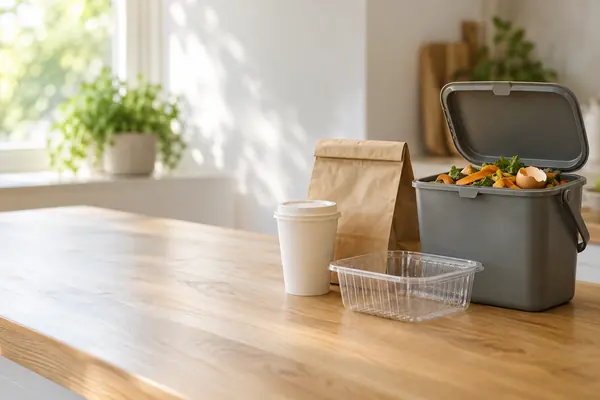
The UK government defines bio-based plastics as made from plants, and says they can be biodegradable but are not necessarily. Compostable is a narrower claim than biodegradable.
Decode a label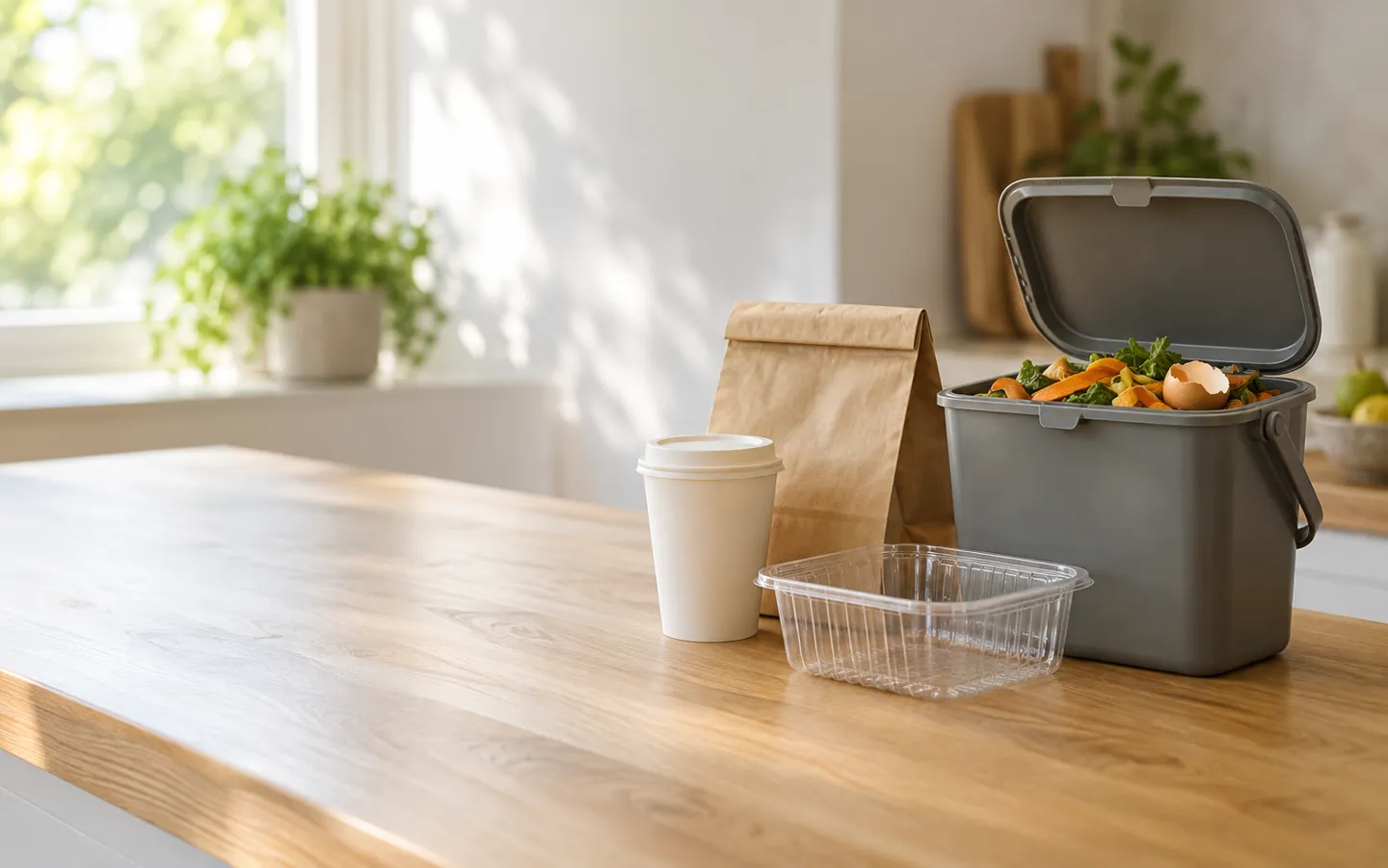
 doodlebio
WHAT THE RESEARCH SAYS
CHECK FIRST before you compost it
Green-sounding packaging is not all the same.
Bio-based, biodegradable and compostable describe different things. UK research shows many of these plastics do not break down in a garden heap, and most councils ask for them in the general waste bin.
Updated
Decode a labelTHE SHORT ANSWER
The labels describe a material,
not the bin you have at home.
LABELS
The UK government defines bio-based plastics as made from plants, and says they can be biodegradable but are not necessarily. Compostable is a narrower claim than biodegradable.
Decode a labelHOME COMPOST
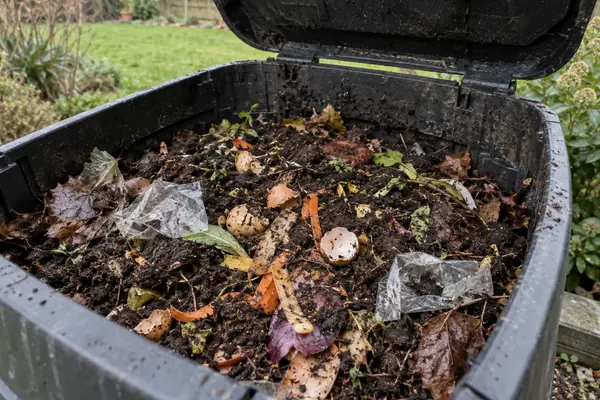
In a UCL citizen science study, 60% of certified home compostable items were still clearly visible when participants checked their compost.
See the numbersLITTER
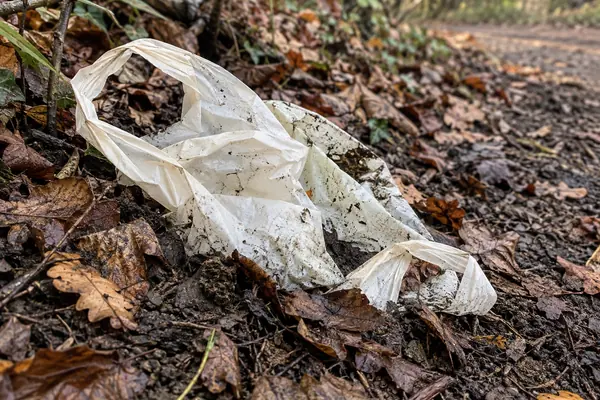
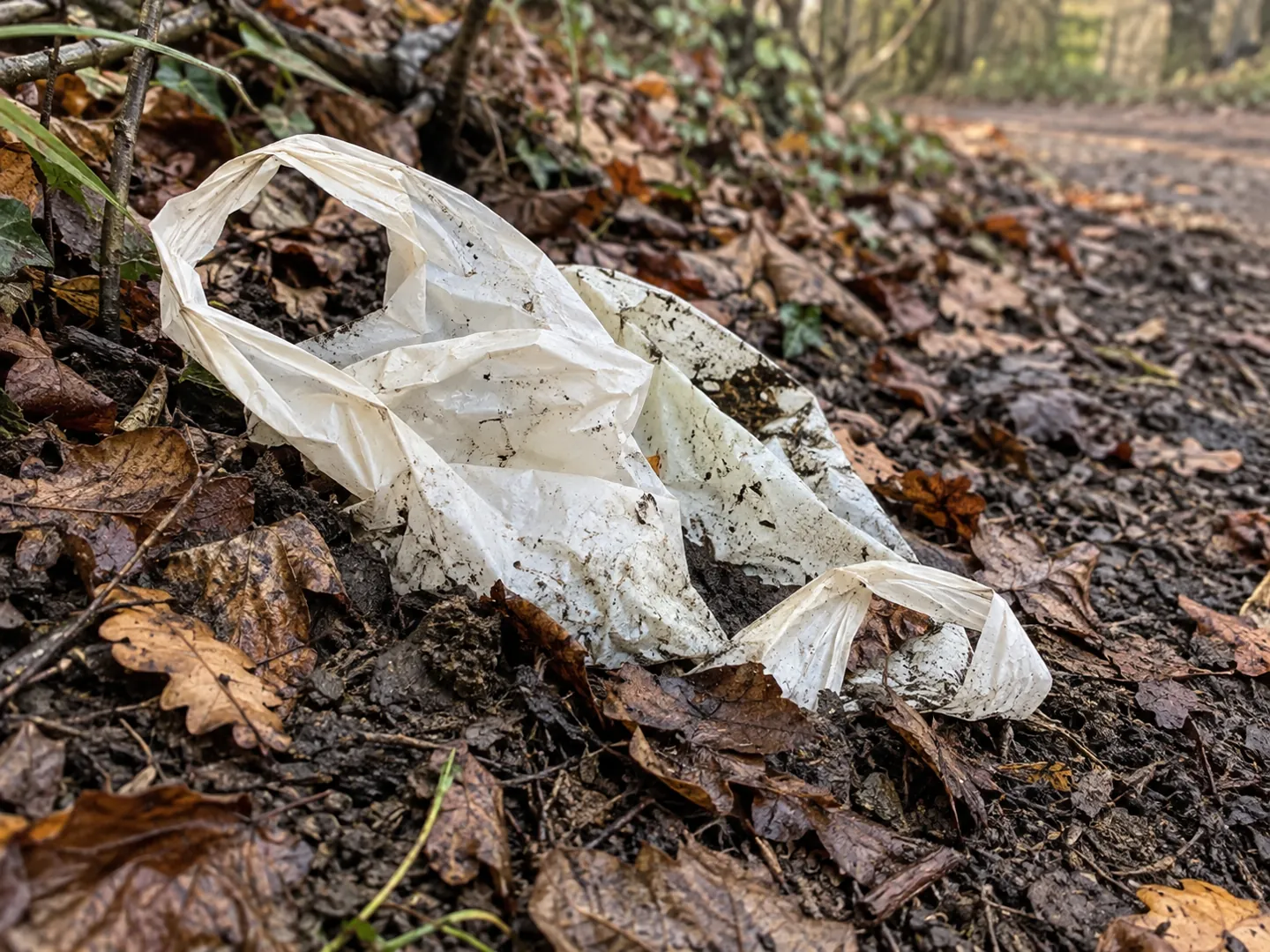
University of Plymouth researchers found biodegradable bags could still carry a full load of shopping after three years in soil or the sea.
What to do insteadDECODE A LABEL
Pick a word you have seen on packaging. The bar shows how specific the claim is: how much it tells you about where and how fast the material breaks down.
Based on the UK government's 2021 response on bio-based, biodegradable and compostable plastics and UCL research. Always follow your own council's bin guidance.
TWO NUMBERS WORTH KNOWING
One figure from UK home compost bins,
one from bags left in soil and sea.
60%
Certified home compostable items still clearly visible
Across 1,307 results from UK households, 60% of items carrying a home compostable certification were still clearly visible, and only 27% had fully gone.
HOME COMPOST · UCL 2022
3 years
Biodegradable bags still able to carry shopping
Biodegradable, oxo-biodegradable and conventional bags still worked as carrier bags after more than three years in soil or the sea.
SOIL AND SEA · PLYMOUTH 2019
Sources: Purkiss et al. (2022), Frontiers in Sustainability; University of Plymouth news release, 29 April 2019, on a study in Environmental Science and Technology.
WHAT TO DO WITH IT
The guidance from UK councils and the government points the same way: check the label, check the bin, and prefer things that can be reused or recycled.
Councils such as East Sussex and Greater Manchester ask for compostable and biodegradable packaging in the general rubbish bin, not recycling or food waste.
Greater Manchester's food and garden waste becomes compost in 6 to 10 weeks. Compostable packaging can take much longer, sometimes years.
UCL researchers concluded that home composting is not an effective way to deal with compostable packaging in the UK, even when it is certified.
Plymouth's study found biodegradable bags intact after three years outdoors. A green label is not permission to leave it behind.
WHY THE BIN MATTERS
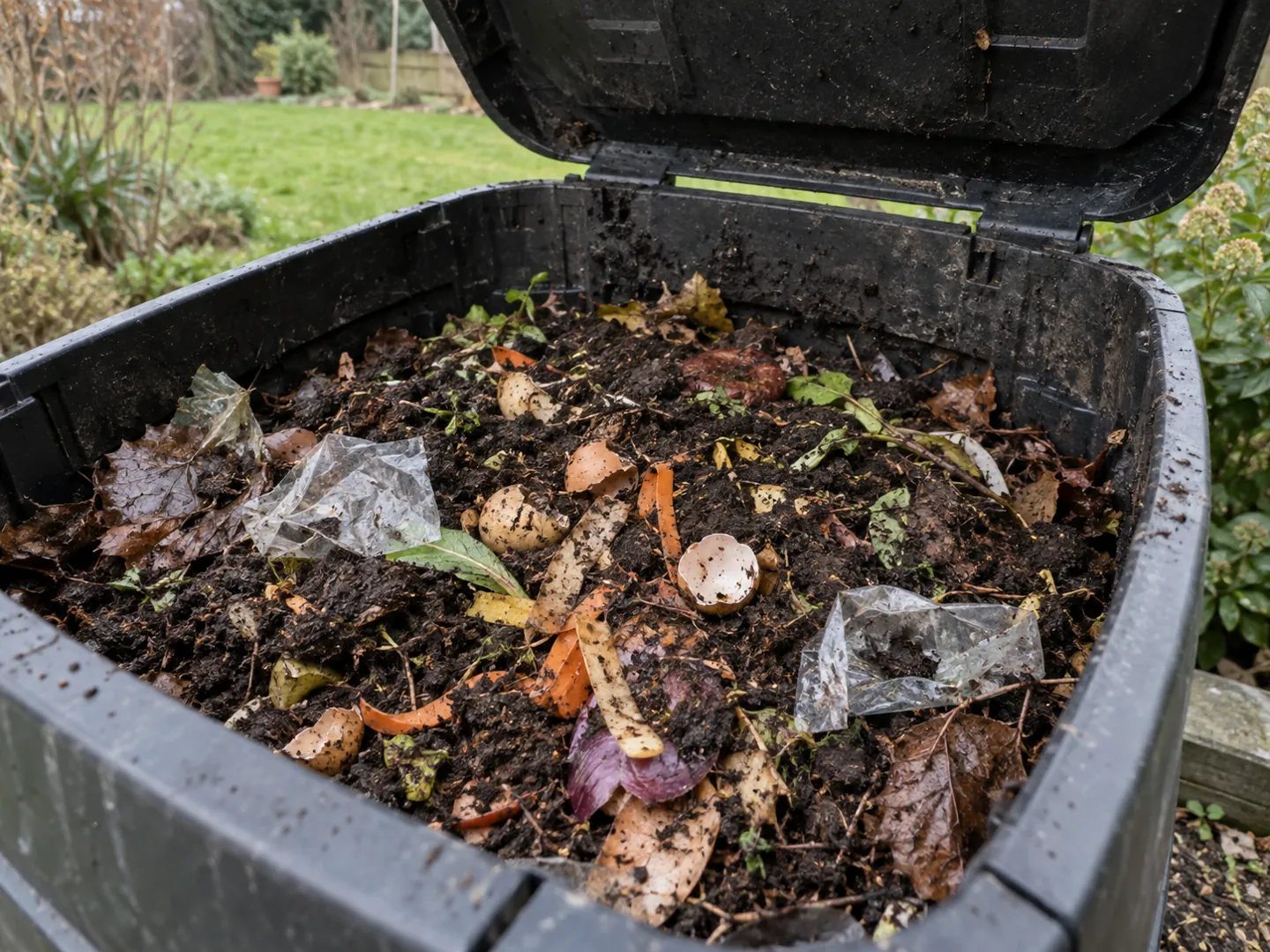
Compostable plastics are designed for controlled industrial composting. UCL researchers note they are incompatible with most anaerobic digestion and recycling systems in the UK, so they usually end up in landfill or incineration.
Telford and Wrekin Council says its green waste is composted outdoors at temperatures and timescales too low for even the thinnest compostable packaging. The UK government's stated preference is that most plastics are reusable or recyclable.
Questions
No. The UK government defines bio-based plastics as made from plant-based sources such as starch, cellulose or lignin. They can be engineered to be biodegradable, but are not necessarily.
Check your council's guidance. Recycle for Greater Manchester asks people not to, because its food and garden waste is composted in 6 to 10 weeks and compostable packaging takes much longer.
Often not fully. In UCL's Big Compost Experiment, 60% of certified home compostable items were still clearly visible, and the researchers say typical home composting takes 3 to 12 months.
The UK government describes optimal industrial composting conditions as 55 to 70 °C with high humidity and oxygen. A garden heap is largely unregulated and usually cooler.
No. University of Plymouth researchers found biodegradable bags could still carry shopping after three years in soil or sea, and the government noted concerns that the label could encourage littering.
Sources
ABOUT THIS NAME
doodlebio.com is part of the DoodleSale portfolio. It isn't in an auction right now, but you can ask about leasing it.